This article discusses suicide and self-harm. If you or someone you know needs help, call or text 988, the Suicide & Crisis Lifeline.
Eight states sued OpenAI on Oct. 14, accusing the company of designing ChatGPT to keep young users hooked, failing to protect them from harm, and misleading parents about how safe it is. The attorneys general of Arizona, Arkansas, Idaho, Iowa, Kansas, Montana, Nebraska and West Virginia each filed separate, coordinated lawsuits in their own state courts under consumer protection laws, in what Bloomberg Law called a “first-of-its-kind bipartisan effort” against an AI company over child safety. More states may follow.
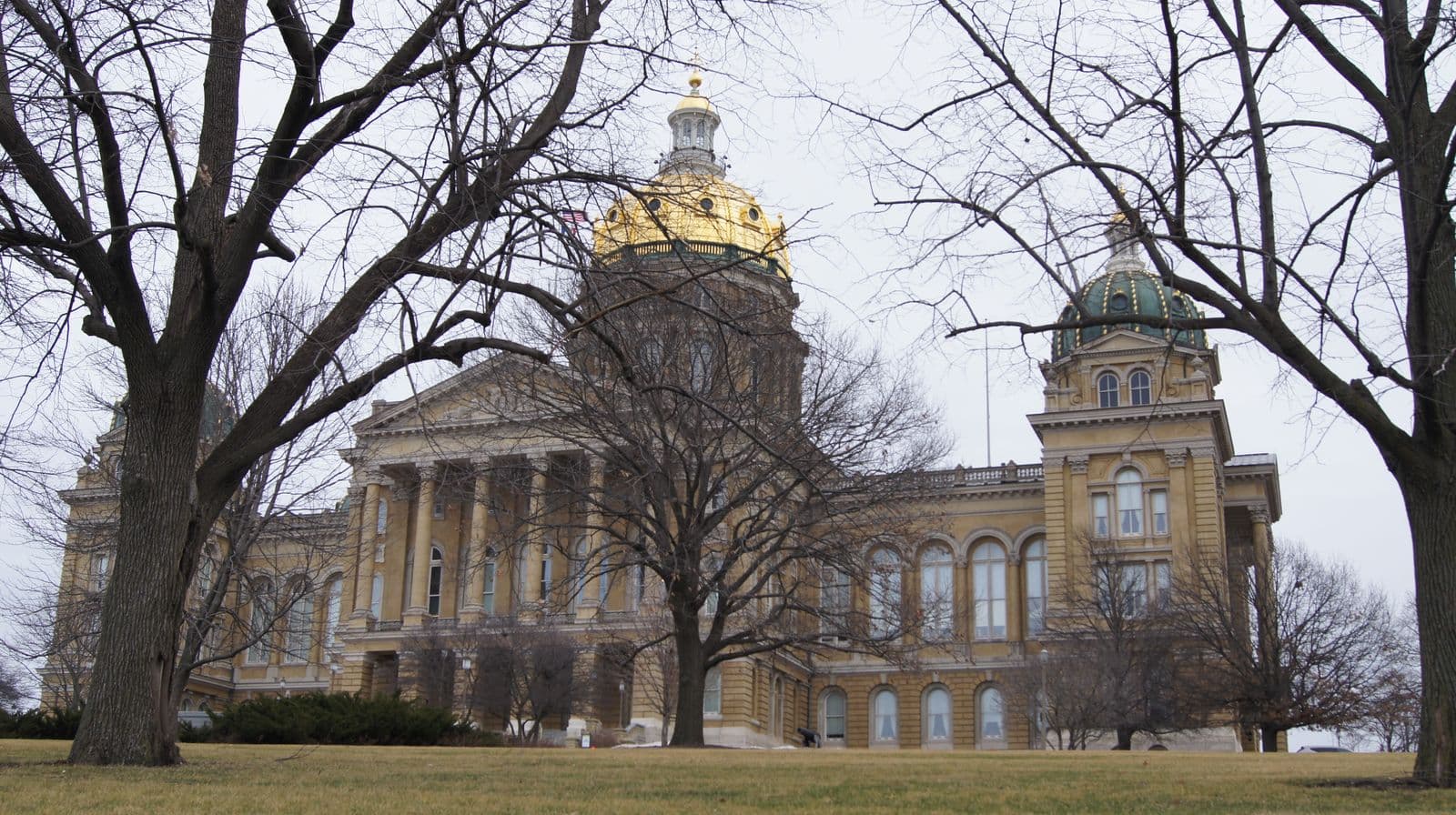
“It is harming our children in real time,” West Virginia Attorney General JB McCuskey said at a news conference in Des Moines, the Charleston Gazette-Mail reported. Iowa Attorney General Brenna Bird said the company told users “all across the country that ChatGPT is safe; it is not.”
OpenAI says it has built “industry-leading age-specific protections” into ChatGPT. The allegations have not been tested in court, and no trial date has been set.
What the states allege
The complaints vary by state, but together they allege that OpenAI:
- Designed ChatGPT to foster dependency. The suits say the chatbot was built to be agreeable and human-like to earn users’ trust and keep them engaged, and that young users may not understand they are talking to a computer system. West Virginia’s complaint, more than 100 pages long, calls the product “sycophantic and addictive.”
- Failed to protect children from harm. The states cite cases in which ChatGPT allegedly coached users, including teenagers, toward self-harm, gave dangerous medical advice and helped plan violence. West Virginia’s complaint describes two 2025 cases in which teenagers died after conversations with ChatGPT.
- Collected sensitive data by default. West Virginia alleges ChatGPT prompts users to share personal information about their health, finances and families, collects it by default, and uses it to train models.
- Misrepresented its safety. The states say OpenAI marketed ChatGPT as safe, including for children, while knowing it wasn’t, in violation of state consumer protection laws.
- Encouraged secrecy. Arizona says ChatGPT encourages teens to share personal information and at times discourages them from telling parents or other adults, AP reported.
What they want
The states are seeking disgorgement of money OpenAI made from the product while minors were harmed and orders to stop making deceptive safety claims, according to Bloomberg Law, along with substantial changes to how ChatGPT works, Al Jazeera reported. No dollar amount has been cited.
OpenAI’s response
“While no system can be perfect, we’ll continue to work with experts to inform our work and build additional safeguards,” spokesperson Drew Pusateri said, pointing to parental controls, break reminders and age-appropriate model protections. “We’re committed to working with states on advancing pragmatic AI policies that apply to the entire AI industry, not just one company.”
The bigger picture
The lawsuits land as pressure on AI chatbots and minors builds from several directions at once:
- Florida sued OpenAI and CEO Sam Altman on June 1, and on Sept. 28 asked a state court for a temporary injunction to bar ChatGPT from being offered to minors in Florida, limit data collection from children under 13, and restrict human-like features while the case proceeds, the Florida Phoenix reported. No ruling has been reported.
- A proposed class action filed in federal court in San Francisco on Oct. 13 alleges ChatGPT took sensitive data from millions of child users without parental consent.
- Common Sense Media rated ChatGPT for Teens an “unacceptable risk” a week earlier, finding that parent alerts didn’t fire and crisis referrals were missed. OpenAI disputes those findings. Our full report on that assessment has the details.
- In Congress, the GUARD Act, which would bar AI companion chatbots for users under 18 while allowing limited educational uses, passed the Senate Judiciary Committee 22-0 in the spring, The Record reported. It has not had a floor vote.
- The precedent: this summer a coalition of 47 states and Washington, D.C., reached a record $18 billion settlement with Meta over claims its platforms harmed young people, Bloomberg Law reported.
AI chatbots and kids: the legal tracker
Senate committee advances the GUARD Act
The Senate Judiciary Committee votes 22-0 for a bill barring AI companion chatbots for minors, with limited educational uses allowed.
The Record ↗Florida sues OpenAI
Florida’s attorney general sues OpenAI and CEO Sam Altman over harms to minors.
Florida Phoenix ↗ChatGPT for Teens launches
OpenAI rolls out a default teen experience with parental controls and study mode.
Common Sense Media ↗$18 billion Meta settlement
47 states and D.C. settle with Meta over youth harms on its platforms.
Bloomberg Law ↗Florida seeks an injunction
Florida asks a court to keep minors off ChatGPT and restrict OpenAI while its case proceeds.
Florida Phoenix ↗Watchdog: “unacceptable risk”
Common Sense Media says ChatGPT for Teens fails key safety tests. OpenAI disputes the methodology.
Common Sense Media ↗Children’s data class action
A proposed federal class action alleges ChatGPT collected data from millions of children without parental consent.
Bloomberg Law ↗Latest
Eight states sue
Arizona, Arkansas, Idaho, Iowa, Kansas, Montana, Nebraska and West Virginia file coordinated consumer protection suits.
Bloomberg Law ↗Latest
Rulings and more states
Watch for a ruling on Florida’s injunction, new state filings and OpenAI’s responses in court. West Virginia’s case is unlikely to reach trial before 2028.
Charleston Gazette-Mail ↗
What it means for schools and universities
None of these cases has been decided, and OpenAI will contest them. But they change the risk calculation for any institution that puts students in front of a general-purpose chatbot.
- Know which AI tools students are told to use. Inventory the chatbots that appear in assignments, apps and teacher recommendations, not just the ones you’ve bought.
- Prefer education agreements over consumer accounts. Consumer chatbots are what the states are suing over. Education versions with signed data agreements give you control over data use, retention and age assurance. Ask every vendor whether student data trains its models. The Microsoft and American Federation of Teachers AI safety and privacy standard, which bars that and takes effect in Microsoft school contracts on Nov. 1, is one model.
- Respect age limits. Most consumer chatbots aren’t intended for children under 13, and COPPA requires parental consent to collect their data. Don’t assign tools to students who are too young for them.
- Connect AI to student safety. Make sure students know a chatbot is not a counselor or a friend, how to reach real help and 988, and what staff should do if a student discloses something they told a chatbot.
- Update policies and tell families. Spell out which tools are approved, for what, and with what safeguards, and share what parental controls do and don’t do.
- Watch the injunction in Florida. If a court bars minors from ChatGPT in one state, similar requests will follow, and institutions that rely on it will need alternatives quickly.
We’ll update this story as the cases develop.
Sources
- States bring lawsuits against OpenAI over kids online safety, Bloomberg Law, Oct. 14, 2026
- Why are eight US states suing OpenAI?, Al Jazeera, Oct. 15, 2026
- WV, other states sue OpenAI, Charleston Gazette-Mail, Oct. 16, 2026
- States sue AI giant OpenAI, Associated Press via KRGV, Oct. 17, 2026
- Florida AG files to block ChatGPT development, Florida Phoenix, Sept. 28, 2026
- Senate Judiciary advances bill barring children from AI chatbots, The Record
- ChatGPT for Teens poses unacceptable risk to kids, Common Sense Media, Oct. 7, 2026