Vection Technologies, an Australian-listed company that sells AI and extended-reality products, has agreed to acquire zSpace, a U.S. education technology company known for augmented and virtual reality learning systems that don't need a headset, IT Brief reported on Nov. 23 (IT Brief).
zSpace said the deal will be completed through a recapitalization and merger, subject to customary and transaction-specific conditions, and that its board has approved the agreement. The report did not include a purchase price (IT Brief).
What zSpace brings
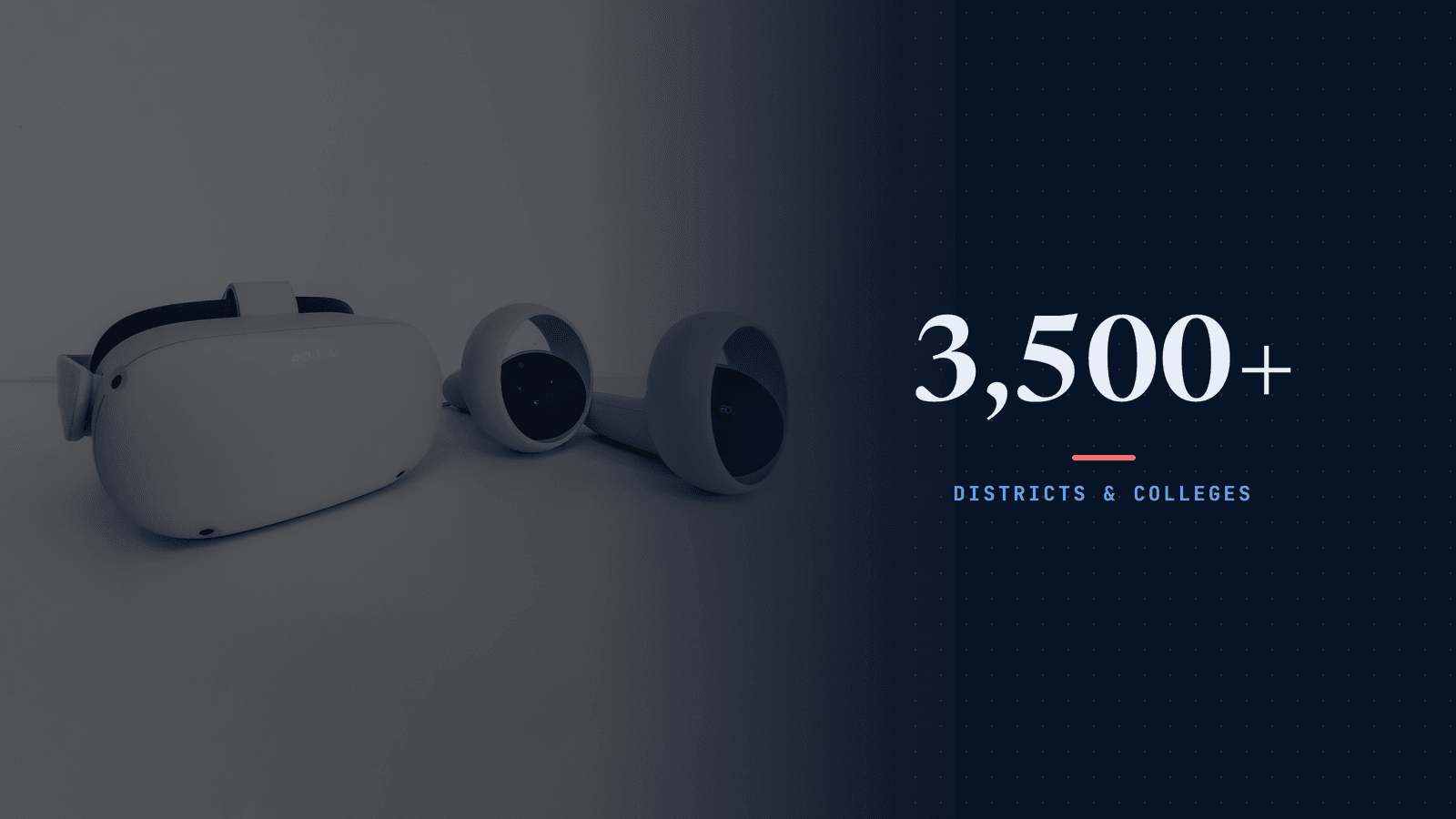
zSpace serves more than 3,500 school districts, technical centers, community colleges and universities. Its tools focus on science, technology, career and technical education, and workforce programs. It brings recurring software annual contract value of about A$13.8 million, according to details released with the announcement. Investor materials put its patents at 75, while the company profile issued with the deal said more than 80 (IT Brief).
For Vection, the deal is a way into the U.S. market through zSpace's existing sales channels, resellers and customer relationships rather than building a presence from scratch. Investor materials said those relationships could also help Vection sell products beyond education, including in AI, defense and health care (IT Brief).
"Joining Vection gives zSpace a stronger financial foundation and a broader global platform for immersive learning," said Paul Kellenberger, zSpace's chief executive. Gianmarco Biagi, Vection's managing director and executive chairman, said the combination creates "a clear opportunity to bring immersive learning to more students worldwide and Vection capabilities to the US market" (IT Brief).
What customers should watch
zSpace said it expects to keep supporting customers and partners while the deal moves toward closing (IT Brief). Ownership changes are still a good moment for districts and colleges to check their agreements.
Sources
- Vection to acquire zSpace in push into US education. IT Brief Australia (2026)
- Cover photo: Oculus Quest II (Maximilian Prandstätter, CC BY 2.0, modified). Wikimedia Commons (2021)